


Stainless steel is a valuable material across various industries. These include automotive, aerospace, construction, and the list goes on. That’s primarily because of useful properties including strength, durability, and corrosion resistance. However, many people wonder: Is stainless steel really porous?
The quick answer is BIG NO. Stainless steel is a solid material with no voids or pores that could absorb liquid. One of the major reasons stainless steel is very popular is its excellent hardness and strength. However, some rare causes can induce porosity in this material. In this article, I will discuss everything about stainless steel and its porosity. Let’s get started.
What is Stainless Steel?
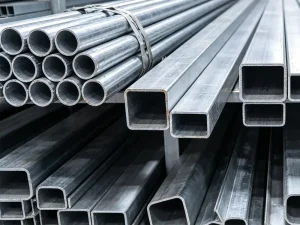
Before discussing porosity, let’s first understand the basics of stainless steel.
Stainless steel is a solid material with over 10.5% chromium along with iron and carbon. This chromium makes stainless steel resistant to corrosion. This steel type offers excellent visual appeal, making it stand out. Additionally, stainless steel is used to make utensils, thanks to its excellent heat resistance.
As I said above, stainless steel is highly resistant to corrosion. The reason is that stainless steel contains chromium. Chromium, when it reacts with oxygen, forms a layer of oxide known as chromium oxide. This protective layer protects the stainless steel from corrosion and other environmental elements.
The moisture that could threaten materials cannot reach the surface of stainless steel. This is because of an additional protective layer or sheet. It is worth noting that the chromium oxide layer present on stainless steel surfaces is very thin. In fact, you may not be able to see it with your naked eyes. Even when you touch it, you won’t feel like a separate layer is sitting on the surface of stainless steel.
Remember, stainless steel is not pure: instead, it is an alloy. This means it contains different elements in its composition. These include iron, carbon, chromium, nickel, and so on. Here is the chemical composition of stainless steel:
| Element | Element Proportion |
| Iron | 70–80% |
| Chromium | 10.5–30% |
| Nickel | 0–20% |
| Manganese | 0–2% |
| Silicon | 0–1% |
| Carbon | ≤0.08% |
| Molybdenum | 0–6% |
Stainless steel has different grades and types. Examples include 304 and 316 stainless steel. The proportion of elements in these grades can vary. For example, the chromium content is around 18% in 304 stainless steel, while it is around 16% in 316 stainless steel. The properties of these grades vary with their chemical composition and proportions.
What is Porosity?
Have you understood the basics of stainless steel as a material? Let’s understand what porosity is in different materials.
Porosity refers to the presence of holes, spaces, or pores within materials. Liquids and gases can move through these pores and go inside the materials. Materials with these pores are called porous, and they absorb liquid. The best examples of porous materials include wood, sponges, and more. Materials with no pores or tiny holes are non-porous.
Porous materials have interconnected spaces that may not be visible to the human eye. However, when this material comes into contact with liquid, it absorbs it. The use of porous materials is very common in the manufacture of filters, membranes, and other insulation products. Filters made of porous materials are highly efficient.
In these materials, liquid passes through the tiny holes, while contaminants or solid particles get trapped in them. This way, the liquid becomes free of suspended particles or tiny contaminants. It is worth noting that the porosity of a material depends on various factors. These include pore size, pore number, and so on.
If the pore or hole size is larger, the material will absorb more liquid. This way, it will be more porous, and vice versa. Liquid enters through the holes or pores and moves inside the material through interconnected spaces. Different applications require materials of different levels of porosity. Some may need more porous materials, while others may need less porous materials.
Is Stainless Steel Really Porous?
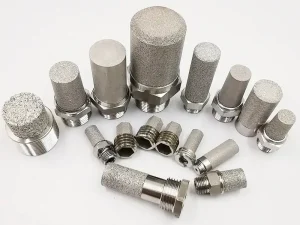
No. Stainless steel is non-porous and does not absorb liquid. This material is a solid metallic structure with no pores, tiny holes, or interconnected spaces. Since there are no pores, liquids or gases cannot go inside it. However, this material can be artificially made porous using various manufacturing methods.
Stainless steel generally has a smooth surface with no pores. However, if this material is used harshly, you might notice cracks or scratches on its surface. The liquid can get into these scratches. That’s why people consider stainless steel porous, since liquid can get into the scratches. However, this is wrong, as these scratches are generally present on the upper surface.
The liquid may enter the scratch but cannot penetrate further into the solid material. The reason is that there are no interconnected spaces inside the material. Despite scratches, stainless steel remains non-porous. Remember, stainless steel also gets a chromium oxide layer on its surface. This layer further makes stainless steel highly non-porous.
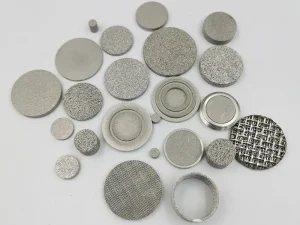
However, stainless steel can be made porous through artificial manufacturing methods. These include powder metallurgy or additive manufacturing. In these methods, tiny holes or voids are created in stainless steel under very controlled conditions. These void spaces allow liquid to pass through, making stainless steel porous. The creation of pores in stainless steel is carried out with precision.
Remember, you’ll find many stainless steel filters used in a wide range of industries. These filters consist of tiny holes through which liquid passes for filtration. These holes or pores are created through artificial methods. That’s what makes stainless steel an ideal option for making filters. Remember, filters made of this material are durable and corrosion-resistant.
Is All Stainless Steel Non-Porous?
As I said above, stainless steel is not a pure material. Instead, it is an alloy consisting of different elements. Above all, this material is further divided into types, which consist of different grades. Each type and grade of stainless steel has distinct properties. Below is the table showing types and common grades of stainless steel:
| Type of Stainless Steel | Common Grades |
| Austenitic | 301, 302, 303, 304, 304L, 316, 316L, 321 |
| Ferritic | 409, 430, 434, 436, 439, 444 |
| Martensitic | 403, 410, 416, 420, 431, 440A, 440B, 440C |
| Duplex | 2205, 2304, 2507 |
| Precipitation-Hardening (PH) | 17-4 PH (630), 15-5 PH, 13-8 Mo |
So, are all these stainless steel types or grades non-porous? Yes. All stainless steel types and grades have a strong, solid, metallic structure. They don’t have pores, void spaces, or tiny holes. This makes them highly non-porous materials. However, manufacturers can make them porous by using additive manufacturing. Tiny holes can be created in them so that liquid can move through. Conventionally, all stainless steel grades are non-porous.
Does Surface Finish Affect Stainless Steel Porosity?
Have you ever noticed different colors, patterns, and styles on stainless steel? That’s because of different manufacturing processes when dealing with stainless steel. These finishes make stainless steel look visually appealing and ideal for decorative products. Some common stainless steel finishes are as follows:
- Hairline Finish
- Brushed Finish
- Embossed Finish
- Bead-Blasted Finish
- Electropolished Finish
None of the finishes make stainless steel porous. These finishes are all about changing the exterior surface and adding a different touch. None of them can create pores or close them. Porosity can be introduced into stainless steel only through specific manufacturing processes. Surface finishes are added just to make stainless steel more visually appealing.
Does Stainless Steel Become Porous When It Rusts?
No. Rust or corrosion does not make stainless steel porous. Even if this material becomes extremely rusty, the chances of it becoming porous are almost zero. First things first, stainless steel is resistant to both corrosion and rust. The reason is that this material contains chromium. Chromium, when exposed to oxygen, forms a chromium oxide layer on the surface of stainless steel.
This layer is durable and ensures that stainless steel does not get corroded over time. Above all, this layer is self-healing, meaning it can repair itself if it gets scratched or otherwise damaged. Let’s assume a worst-case scenario where stainless steel develops corrosion or rust. In that case, there would be localized pitting corrosion.
Due to pitting corrosion, tiny cavities would form on the surface of the stainless steel. However, these cavities are just present on the surface of stainless steel. You won’t notice any pores or holes inside the material that could induce porosity. In short, stainless steel remains free of porosity even when it corrodes under extreme conditions.
Frequently Asked Questions
Can water penetrate stainless steel?
No. Stainless steel has a solid metallic structure with no cavities, pores, or holes. That’s why water cannot penetrate inside these materials. Stainless steel does not absorb any liquid or gas.
Do scratches make stainless steel porous?
No. Scratches are present on the surface of stainless steel. They do not make pores, grooves, or interconnected spaces inside the material. That’s why scratches do not make it porous.
Is stainless steel more hygienic than porous materials?
Yes. Stainless steel is more hygienic than many porous materials. The reason is that this material has no pores or tiny holes. So cleaning this material is easier, ensuring better hygiene compared to porous materials.
Conclusion
In conclusion, stainless steel is one of the most useful materials. It offers a wide range of favorable properties, making it highly efficient. However, when it comes to the porosity of stainless steel, many get confused. In fact, there is a myth that stainless steel becomes porous due to rust and surface finishes.
However, there is no evidence to support these myths, as this material remains non-porous. Rust, surface finishing, etc., cannot make it porous. However, there is one way to make it porous: to use additive manufacturing. In these methods, machines are used to make pores and holes inside materials. This way, the liquid passes through these artificially made holes. In this article, I have discussed everything about the porosity of stainless steel.